Public Transport
Austria has an excellent public transport network. The Klimaticket (approx. €1,095/year) offers nationwide mobility with trains, buses, and trams. Vienna has one of the best metro systems in Europe.

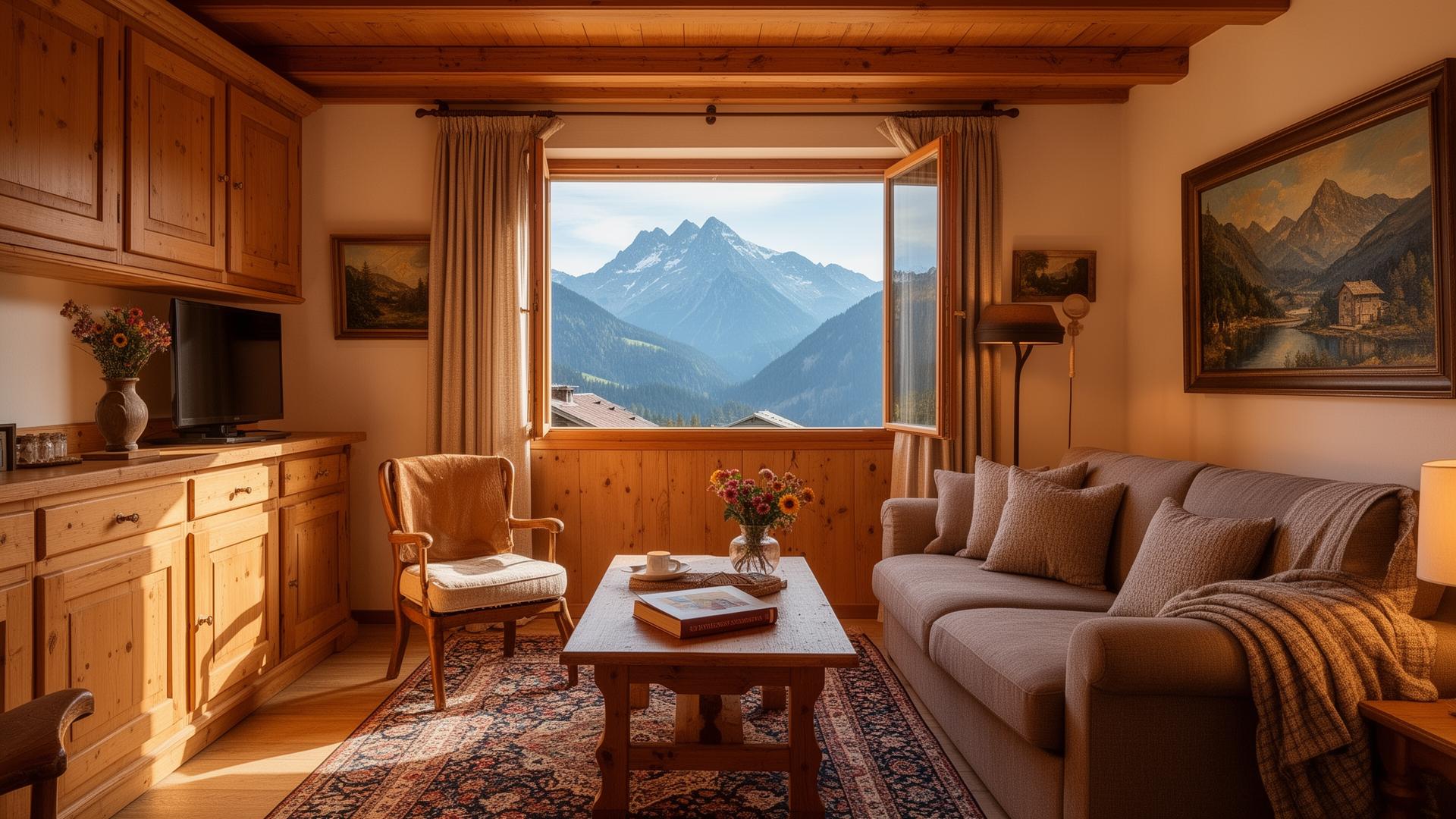
Your comprehensive guide to a new life in Austria — from housing and healthcare to culture.
Austria consistently ranks among the world's top countries for quality of life. Clean, safe, and culturally rich — the country offers a unique combination of modern city living and pristine nature. For international nurses, this means excellent working conditions and a fulfilling life outside of work.
Whether you're drawn to Vienna's coffee house culture, Tyrol's mountains, or the Mediterranean atmosphere of Graz — you'll find your home in Austria.
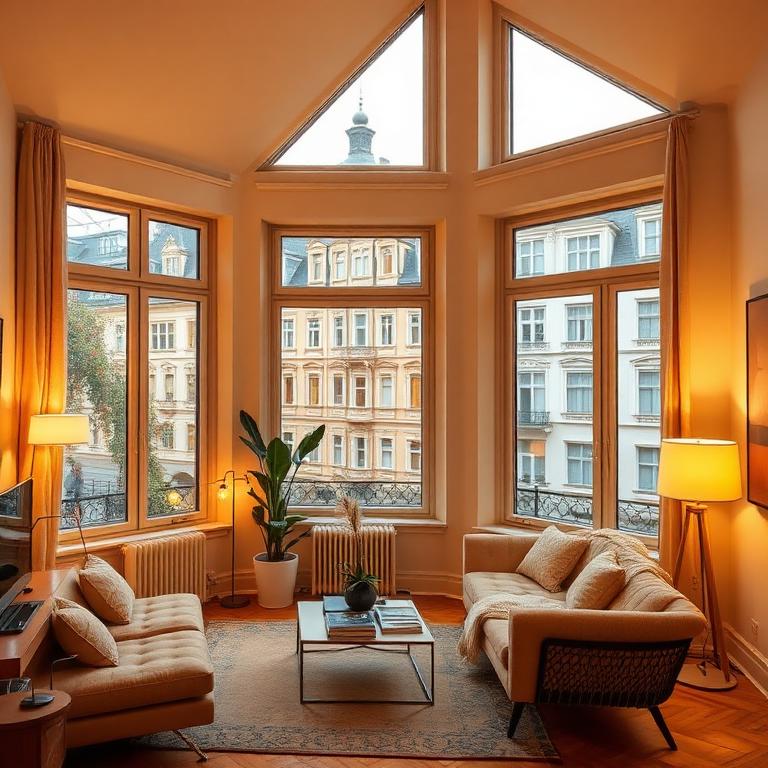
#1
Quality of Life Worldwide (Mercer)
Austria has an excellent public transport network. The Klimaticket (approx. €1,095/year) offers nationwide mobility with trains, buses, and trams. Vienna has one of the best metro systems in Europe.
Supermarkets like Billa, Spar, and Hofer offer high-quality groceries. Markets (e.g., Naschmarkt in Vienna) are popular. Shops are closed on Sundays — plan ahead.
Austria has one of the best healthcare systems globally. Mandatory insurance through your employer, e-card for doctor visits, free hospital choice, and low co-payments.
Free public schools with high standards. Kindergartens are free or heavily subsidized in many states. Universities are largely free for EU citizens.
Rent varies: Vienna approx. €12–18/m², Graz approx. €10–14/m². Council housing and cooperative apartments offer affordable options. Deposit is usually 2–3 months' rent.
Open a current account at banks like Erste Bank, Raiffeisen, or Bank Austria. Online banking is standard. Cash is still preferred in many places.
The cost of living in Austria is moderate compared to other Western European countries. A nursing salary allows for a comfortable life.
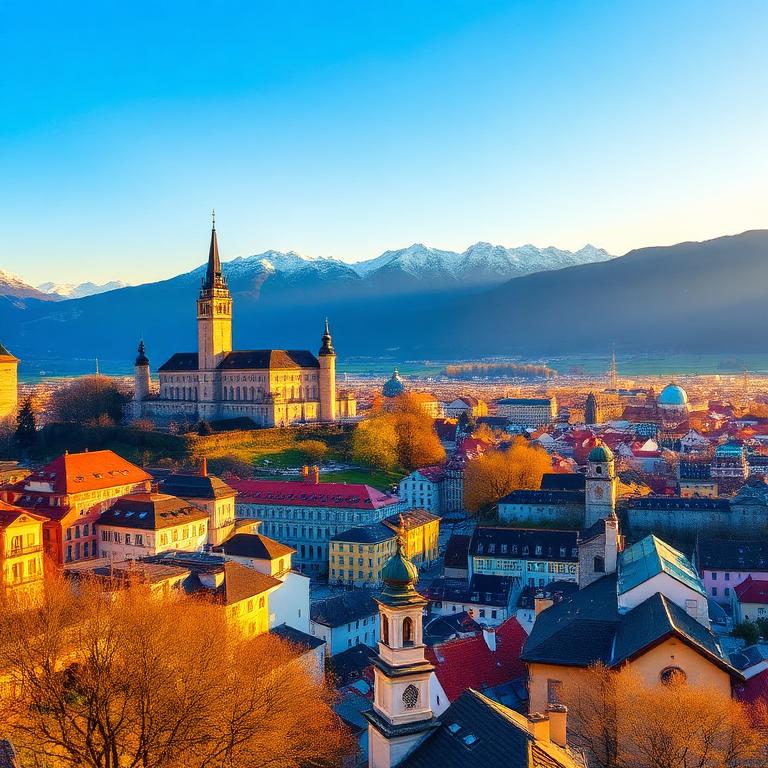
2M residents
Capital city, international hub, #1 quality of life worldwide. Largest job market for nurses.
330K residents
Second largest city, university town, UNESCO World Heritage. Growing healthcare sector.
210K residents
Industrial city with high quality of life. Kepler University Hospital as a major employer.
155K residents
Mozart's city at the foot of the Alps. Tourism and healthcare as main employers.
130K residents
Alpine metropolis with a university hospital. Ideal for nature lovers and winter sports enthusiasts.
Wiener Schnitzel, Tafelspitz, Kaiserschmarrn — Austrian cuisine is hearty and diverse. Coffee house culture is UNESCO Intangible Heritage.
From the Vienna State Opera to Salzburg's festivals — Austria lives and breathes culture. Museums, theaters, and concerts are accessible everywhere.
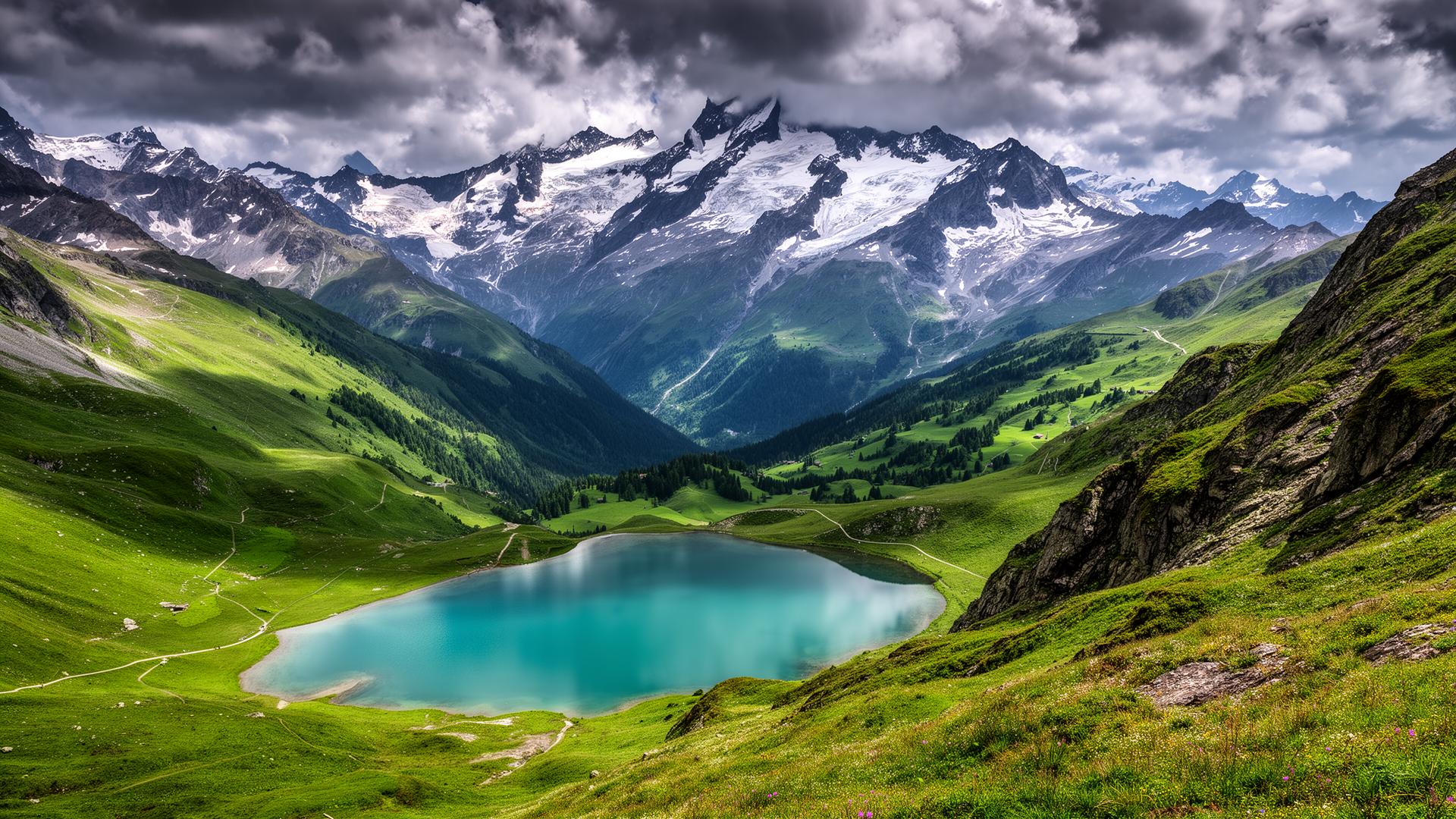
The Alps offer hiking, skiing, and breathtaking landscapes. Over 60% of the country is mountains. Lakes like Wörthersee invite summer swimming.
Clubs (Vereine) are at the heart of social life. Sports, music, volunteering — joining a club is the best way to build connections.
15–35°C
Beer gardens, swimming lakes, hikes, open-air festivals, and long evenings in nature.
-5–10°C
Christmas markets, skiing, mulled wine, thermal spas, and cozy coffee houses.
We guide you every step of the way — from planning to settling into Austrian life.