Weather and Seasons in Austria: What Newcomers Should Pack
Written by
Move to Austria Team
Editorial Team, Move to Austria
Reviewed by
Move to Austria Team
Editorial and source review · August 29, 2026
Prepare for regional climate differences, hot summers, alpine conditions, winter commuting and weather alerts without treating Austria as one uniform climate zone.
Austria is not one climate zone
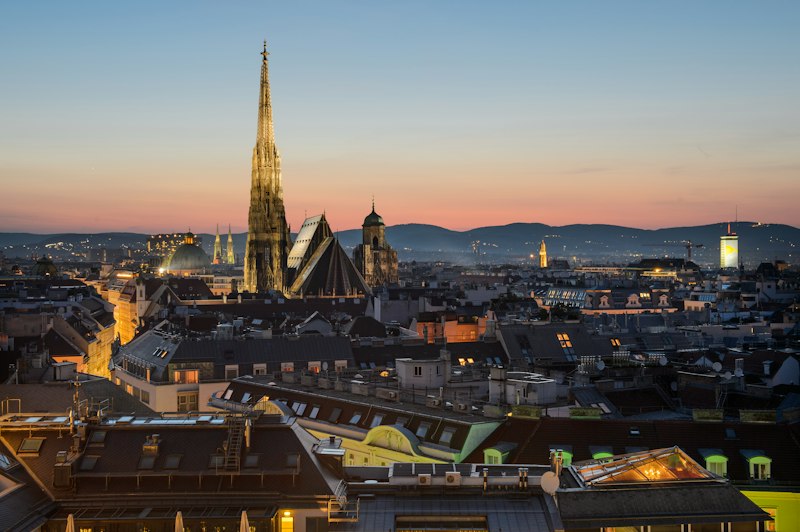
Altitude, exposure and geography create meaningful differences between eastern lowlands, Alpine valleys and mountain areas. Vienna may experience hot summer periods while higher locations remain cooler; winter snow can be routine in some places and intermittent in others. A countrywide monthly average does not predict your town or commute.
Use GeoSphere Austria's current forecasts, warnings and climate data for the exact region. When comparing homes, ask about building insulation, summer shading, heating system, snow clearance and the route to work rather than choosing clothing from a generic Austria packing video.
Winter preparation is mostly about daily reliability
A waterproof outer layer, warm mid-layer, gloves and footwear with suitable grip are more useful than one fashionable heavy coat. Indoor buildings and public transport can be warm, so layers help. Workers starting early or finishing late should plan for darker travel and potentially icy walking routes.
If driving, follow Austria's current seasonal equipment and road rules and adjust for mountain conditions. Do not rely on all-season marketing without checking legal and route requirements. Keep emergency supplies appropriate to the journey and never enter a closed or warned route.
Summer heat belongs in the housing decision
Some Austrian homes lack fixed air conditioning. Upper floors, large west-facing windows and limited night ventilation can become uncomfortable during heat. Ask about shading, ventilation and building performance before signing, particularly if a household includes babies, older adults or people with health conditions.
Follow official heat and weather guidance, stay hydrated and understand workplace procedures for heat exposure. Thunderstorms can develop quickly in mountain areas; check warnings before hiking and turn back when conditions deteriorate.
Spring and autumn are variable
Shoulder seasons can move from cold mornings to warm afternoons and bring rain, wind or late snow at altitude. Pack a light waterproof layer and shoes that handle wet streets. Allergy sufferers should check local pollen information and arrange medications through a healthcare professional.
Daylight changes affect commuting and mood differently for each person. Build outdoor activity into daylight hours where possible, but seek professional help for persistent symptoms rather than treating lifestyle advice as medical guidance.
Alpine recreation needs separate skills
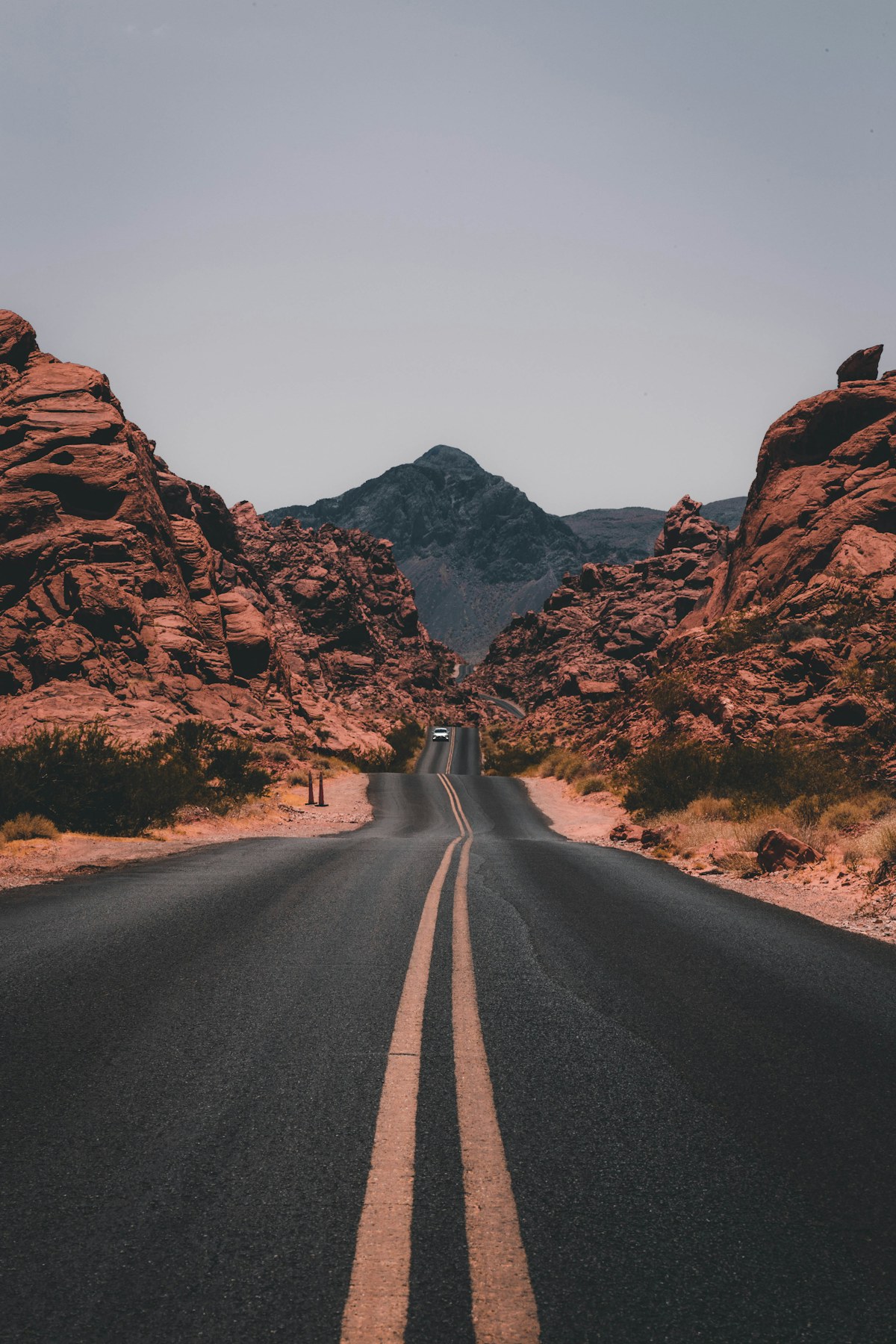
Easy-looking mountain routes can involve exposure, rapid weather change, snowfields or limited mobile reception. Match the trip to experience, equipment and official local conditions. Cable-car access does not make every route safe, and ordinary travel insurance may contain exclusions.
Tell someone the route and return plan, carry water and navigation, and use official avalanche or mountain-weather information in winter. For unfamiliar terrain, choose marked routes or qualified local guidance.
Pack in phases, not for every possibility
Bring documents, medication, one reliable work or interview outfit, layered rain protection and footwear for the arrival season. Buy specialised winter or mountain equipment locally after understanding the actual climate and employer dress rules. This reduces luggage and prevents expensive purchases that do not match the destination.
A relocation consultation can align arrival month, housing, transport and work start, but forecasts remain changeable. Recheck official weather and transport notices immediately before travel.
Helpful resources
Official sources
Requirements and fees can change. Verify your individual case with the responsible authority before applying.