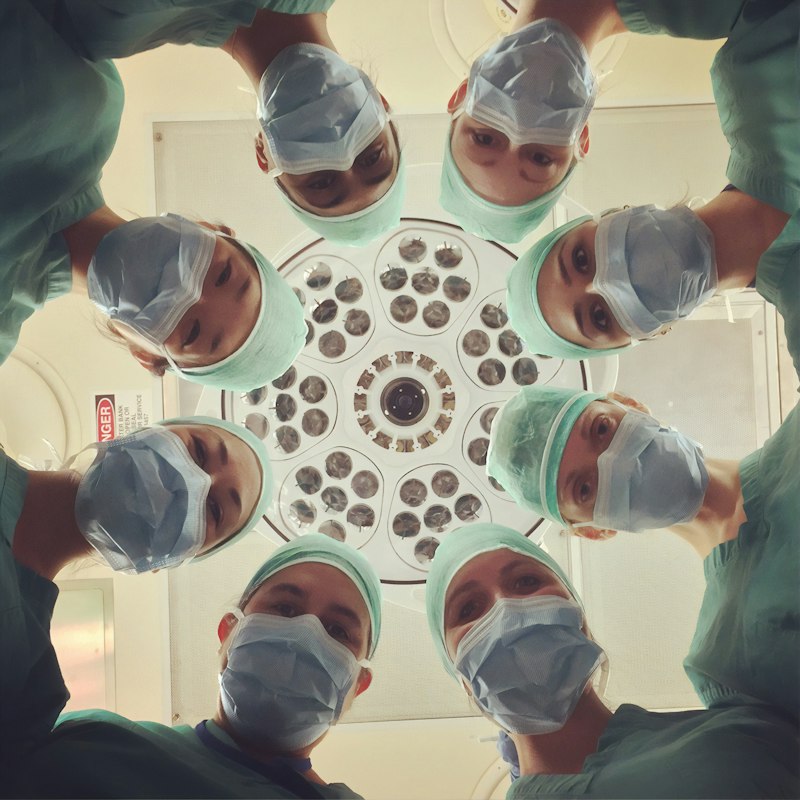
Nursing Jobs in Austria for Foreign Nurses: 2026 Guide
Written by
Move to Austria Team
Editorial Team, Move to Austria
Reviewed by
Move to Austria Team
Editorial and source review · July 29, 2026
A practical route from foreign nursing qualification to recognition, B2 German, professional registration, a compliant job offer and the correct residence permit.
Why International Nurses Are Searching Austria in 2026
Graduate nurses, nursing assistants level 2 and nursing assistants level 1 appear on Austria’s nationwide shortage-occupation list for 2026. That creates a relevant immigration route for suitably qualified third-country applicants, but a shortage listing is not a job or permit guarantee. Employers still choose candidates, authorities assess the residence route, and nursing remains a regulated profession requiring Austrian professional authorisation.
Recognition or Nostrification Comes Before Independent Practice
The correct procedure depends mainly on where the nursing education was completed. Qualifications from the EU, EEA or Switzerland generally follow the recognition route. Education completed outside those states generally follows nostrification, unless the specific official exception for a recognised third-country qualification plus qualifying practice in an EU, EEA state or Switzerland applies. Use the Nursing in Austria guide to identify the responsible authority before submitting.
B2 German and the Health Professions Register
For a nurse with a degree in health and nursing care, the official Nursing in Austria portal states that B2 German is required for entry in the Health Professions Register. Successful registration is required before working in the registered profession. Recognition, language evidence and registration are related steps, not interchangeable ones. Start job-specific German early so interviews, documentation, medication safety and patient communication are credible.
What a Compliant Job Offer Should Clarify
Ask for the exact professional role, workplace, weekly hours, gross salary, collective-agreement classification, credited experience, allowances, probation terms and intended start date in writing. Confirm whether the employer understands that recognition, register entry and immigration approval may affect onboarding. A contract should not describe you as independently authorised for duties you cannot yet legally perform. Do not surrender original documents or pay a recruiter for a guaranteed permit.
Choose the Residence Route After Checking the Job
For a third-country nurse, a binding offer may support a Red-White-Red Card as a Skilled Worker in a Shortage Occupation when the qualification, points, pay and other statutory requirements are met. Other routes may fit different profiles. EU, EEA and Swiss citizens use free-movement rules instead. The residence title and professional recognition are separate approvals, so prepare both workstreams rather than waiting for one to finish before understanding the other.
A Conversion-Focused Application Plan
Begin with a document audit: diploma, subjects and training hours, clinical placements, licence, good-standing evidence, employment certificates and identity records. Determine the recognition route, assess German honestly and target employers whose vacancy matches the Austrian role you can obtain. Tailor the CV to clinical responsibilities without overstating authority. Professional recognition support, job-search preparation and residence planning are most valuable when coordinated around one realistic timeline.
Helpful resources
Official sources
Requirements and fees can change. Verify your individual case with the responsible authority before applying.
- Austria-wide shortage occupations 2026 — Austrian Federal Government migration portal
- Recognition of nursing qualifications — Nursing in Austria
- Nurses with a degree in health and nursing care — Nursing in Austria
- Health Professions Register — Nursing in Austria
- Skilled Workers in Shortage Occupations — Austrian Federal Government migration portal